

There are many potential dog owners out there who simply want to adopt a small dog. If you are interested in small dog adoption, here are five aspects you might want to know before going through the process.
Before you adopt a dog, consider how much time your new family member will spend alone. A puppy requires constant attention, so extensive alone time is not conducive to successful training. The key to successful housebreaking and preventing “accidents” is consistency. Once a puppy soils the carpeting, it becomes much more difficult to train them out of that behavior.
A good rule of thumb to consider during this process is that a puppy can hold his bladder just one hour for every month they’ve been alive. For example, a 3-month-old puppy will need to empty his bladder every three hours! And yes, that does include the middle of the night! So, before you adopt a puppy, ask yourself if you are available to walk your pet several times throughout the day. On top of that, if you have the patience and commitment to wake up and take the dog out several times throughout the night.
Of course, before you can walk the puppy, you will need to train him to walk on a leash, which is a project in itself. But on the other hand, an adult’s bladder is already fully developed. Many shelter dogs are most often already housetrained and rescue groups make sure their adults for adoption are housebroken before they go to new homes.
When you adopt, you have the advantage of knowing that your pet is physically able to “hold it” for several hours at a stretch. In many cases, adult pets are by far easier to housebreak than puppies. You can teach an old dog new tricks!

Puppies are super-cute, but puppies are also relentless machines of destruction. Even the most well-behaved puppy will destroy shoes, clothing, paper, remote controls, telephones, leashes, dog beds, carpeting. More rambunctious pups have been known to obliterate sofas, car seats, blinds, electrical cords, door frames, you name it!
And when puppies are teething, look out! Puppies have very sharp teeth, and they are happy to use your hands, feet, nose, hair, etc, as a chew toy. Needless to say, a teething puppy and a small child do NOT make good companions! And something you need to keep an eye on.
To keep the puppy from hurting himself, and to prevent the destructive behavior from becoming a bad habit, you will need to spend every waking moment supervising their every move. So the question is, do you have that kind of time on your hand?
When you adopt a rescue dog, many are already trained and ready to go! Adults have a much longer attention span than puppies, too, which means they are easier and faster to teach. Adult dogs already have recognizable personality traits, too, so you’ll be able to select one who is great with children. Many rescue groups use foster homes to make sure each pet for adoption is trained to be well-behaved indoors. Although all pets need attention and playtime, an adult pet’s needs are far less demanding than a puppy’s.
With an adult small dog adoption, what you see is what you get. Their personality is already developed and you will be able to spot the characteristics you are looking for much easier than with a puppy. Shelters and rescue groups are able to assess the personality of each dog up for adoption and can carefully match you up with the right pet for your particular lifestyle. When you adopt a puppy, there is a lot more guesswork involved since there is no way of knowing how that dog will develop. And a lot of that development is up to you.
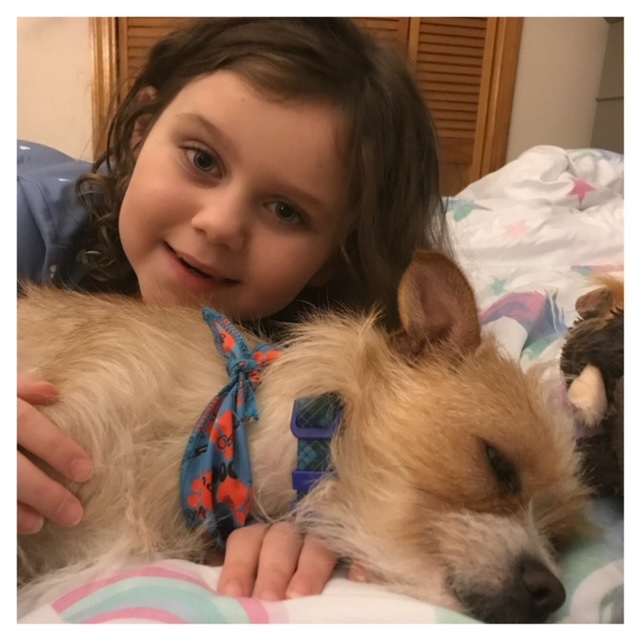
Ask anybody who has adopted a small dog and they will swear their bond with their rescued pal is as deep as they come. When you open your heart and your home to a pet who needs help, they really do show their appreciation for the rest of their life! Dogs who have been uprooted from their homes or have had difficult beginnings are likely to bond completely and deeply with their new human caretakers who they view as saviors.
Dogs who find themselves in the shelter or a rescue group because of a death or other tragedy in their former human family usually go through a mourning period. Once they are adopted, however, they usually want nothing more than to please their new owner. No matter what circumstances brought them to the shelter or rescue group, most pets for adoption are exceptionally affectionate and attentive pets and extremely loyal companions.
Let’s be honest—while many people dream of bringing home a playful puppy, adult pets are often overlooked. But adopting an adult animal is one of the most compassionate choices you can make.
Every year, around 4 million adoptable animals are euthanized—and shockingly, 25% of them are purebreds. That means there are countless small, purebred dogs and adorable mixed-breed companions waiting for a second chance. Choosing to adopt, rather than buy from breeders or pet stores, helps combat the heartbreaking issue of pet overpopulation.
Rescue groups work tirelessly to match pets with loving homes. Most are run entirely by volunteers who open their homes to foster animals, carefully evaluating their health, behavior, and needs. Many provide basic training and even cover medical expenses out of their own pockets—all to give these animals the best possible start in their new lives.
These rescuers are passionate, dedicated, and driven by one goal: helping each pet find a forever home. And for them, nothing is more rewarding than seeing a successful adoption.
When you choose to adopt an adult pet, you’re not just gaining a loyal companion—you’re making a real difference.
If you are looking to adopt a dog, please schedule an appointment today.